[2.1] Military __

Field Test Requisition

Every agency's needs are different, so fill in whatever applies from the list below and email it to:

[email protected]

When we receive it, you will get:

  • A requisition number for tracking the request.
  • The date it was received.
  • A point of contact at Douglas Mining who will plan and deploy the field team.

Include what applies. Partial submissions are welcome; we will ask for anything else we need.

Requestor Information:

  • Name of Requestor: The person or department making the request.
  • Contact Information: Email, phone number, and other relevant details for communication.
  • Department/Organization: Where the request originates from.

Test Description:

  • Test Objective: Brief description of what practical solution a test with our equipment aims to achieve (e.g., performance, durability, safety).
  • Specific Tests Required: Detailed list of tests to be conducted. (e.g., transportation at high altitude, under water, under pressure, in specific environments such as high concentrations of mud, dust, or extreme temperatures, impact resistance)
  • Test Standards/Protocols: Reference to the standards or protocols to be followed (e.g., U.S. MIL-STD-810H).

Sample or Equipment Details:

  • Type of Equipment: Description of what will be tested (e.g., material, equipment, securement, deployment on soft or hard assets).
  • Quantity: How many samples or pieces of equipment are expected to be needed for testing.
  • Condition/Preparation: Any specific conditions or preparations required for the sample/equipment before testing (e.g. EMP insulation, thermal or visual coatings.)

Test Location:

  • Field Test Site: Exact locations where the tests will be conducted.
  • Environmental Conditions: Required conditions for the test (e.g., temperature, humidity, terrain).

Testing Duration and Schedule:

  • Start Date and Time: When the testing is scheduled to begin.
  • End Date and Time: When the testing is expected to conclude.
  • Duration: Approximate duration of the testing activities.

Test Methodology:

  • Test Procedures: Detailed steps or methodologies to be followed during the field test.
  • Testing Tools/Equipment Needed: List of equipment or tools required for conducting the test (e.g., measurement instruments).

Data Collection and Reporting:

  • Data to be Collected: What data points are expected to be gathered during the test.
  • Reporting Format: How the test results should be documented (e.g., charts, tables, narratives).
  • Deadline for Report: When the final report is expected to be submitted.

Personnel Information:

  • Personnel Conducting Test: Names and contact details of individuals responsible for the test.
  • Special Qualifications: Any specific certifications or qualifications required by the testing personnel. (e.g. TS/RD, S/FRD, TS/SCI).

Safety and Compliance:

  • Safety Requirements: Precautions or protocols to ensure safety during the test.
  • Compliance: Any regulations or standards the test must adhere to (e.g., environmental or industry-specific compliance).

Approvals and Authorizations:

  • Approver: Name, role, and date of approval from the manager, supervisor, or technical lead signing off on the requisition.

Logistics

  • Budget Information: If applicable, include any cost details associated with the test.
  • Logistics Support: If needed, information on transportation, accommodation, or other logistical support for the test.
Open in email

[02] Capabilities By Domain __

Your mission is our mission. We put subsurface intelligence in the hands of the people who need it most: defense and security teams locating unexploded ordnance, concealed tunnels, and buried caches before anyone is standing on top of them. The same instruments and the same discipline serve industrial teams mapping what is under a site, and researchers who need survey-grade data in hard places. Every kit is built to deploy fast, run in the field, and come home.

Request a Field Test

Schedule Training

Purchase a Research Kit

[2.1] Military Applications

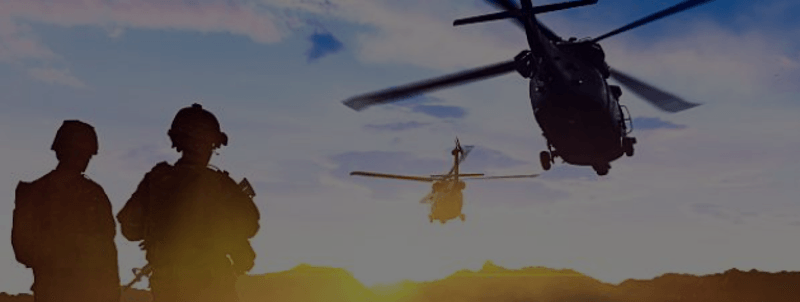
Magnetometry and resistivity surveys that find what is under the ground before your people are on top of it: unexploded ordnance, concealed tunnels, buried caches. Readings are processed on site, so the team gets an answer where it stands, not back at base. Kits are compact, ruggedized, and can be tested to your agency's own protocols before deployment.

Request a Field Test

[2.2] Industrial Applications

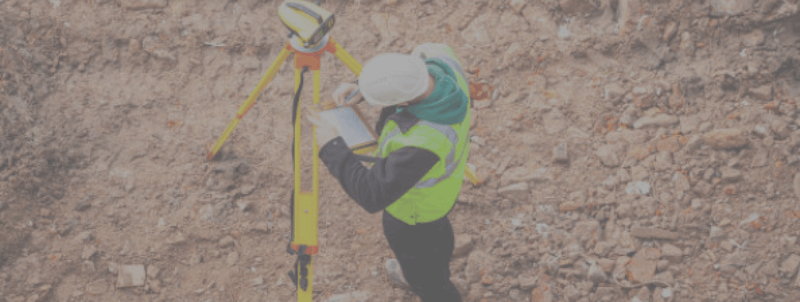
Instruments built for hostile ground make a job site easy ground. Magnetometry and resistivity surveys map foundations, pipelines, voids, and buried utilities before you build on them, dig through them, or rely on them. Readings become a picture your engineers can plan against, so problems are found on a screen rather than in the ground.

Schedule Training

[2.3]  Research & Development

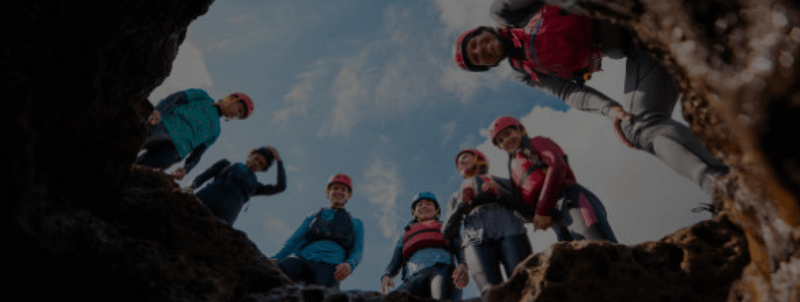
Survey-grade data from places that don't cooperate: caves, remote sites, terrain with no power and no road in. For researchers in geophysics, materials science, and environmental studies, the software captures faint signals other tools discard, so your field time goes to the question rather than the instrument.

Purchase a Research Kit